A mission-driven recruitment campaign that reframed bus driving as a meaningful role in student success, increasing applications by 38% and helping the district become fully staffed.
Pickens County School District faced a critical shortage of qualified bus drivers, creating an operational challenge with a direct connection to student access and instructional time. The campaign needed to make the role visible, approachable, and meaningful while converting community awareness into qualified applicant interest.
The communication strategy blended practical job information with human-centered storytelling, positioning drivers as essential contributors to student safety, school reliability, and daily student success.
Challenge
The district needed 4-6 full-time drivers and several substitutes. Applicant interest was not keeping pace with operational need, and the role required more than a generic hiring message. It needed to reach people who may not have seen themselves as potential school bus drivers.
The campaign also needed to improve internal awareness of referral bonuses, expand reach outside county borders, and make the application pathway simple enough for people to act after seeing a flyer, post, email, or video.
Research & Planning
Planning was informed by conversations with transportation and HR leadership, application-source patterns, current-driver geography, and staff awareness gaps. The research showed that many current drivers lived near county borders, word-of-mouth and signage were important applicant sources, and internal staff needed clearer referral-bonus information.
Identified target staffing needs with transportation leadership.
Reviewed where applicants and current drivers were coming from geographically.
Used application-source feedback to prioritize signage, referrals, and grassroots outreach.
Surveyed current drivers and internal staff to surface awareness gaps.
Strategy
The campaign used two connected themes: "Transporting Students to Success" emphasized the daily student impact of the role, while "Help Drive Our Future" gave the community a clear call to action. Together, the themes moved the message beyond vacancy-filling and into service, purpose, and belonging.
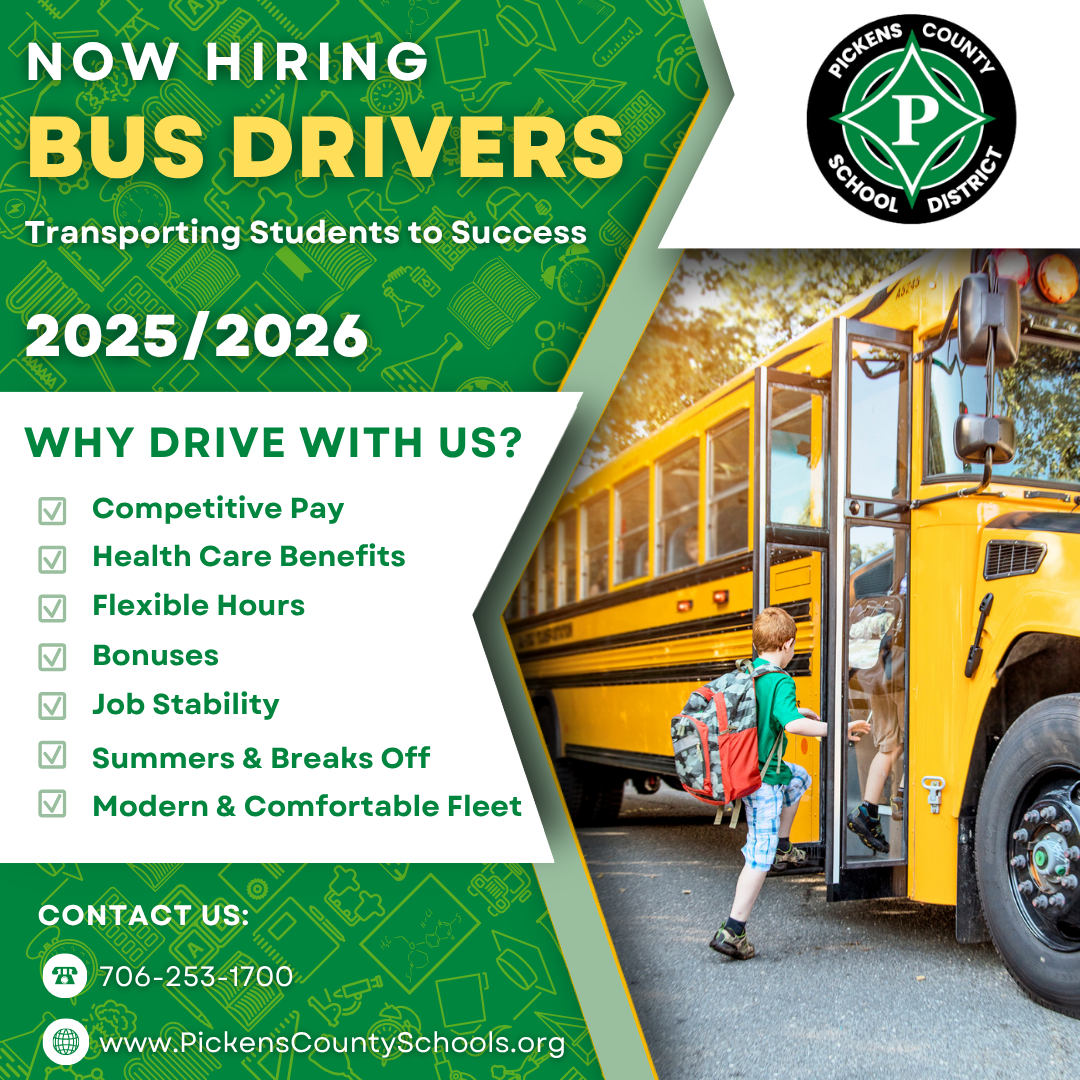
Messaging paired emotional relevance with practical benefits such as flexible hours, summers and breaks off, competitive pay, health care benefits, job stability, bonuses, and a modern fleet.
Execution
Website Hub
Used the transportation-team page as a central destination for application details, benefits, contact information, and driver storytelling.
Print & Signage
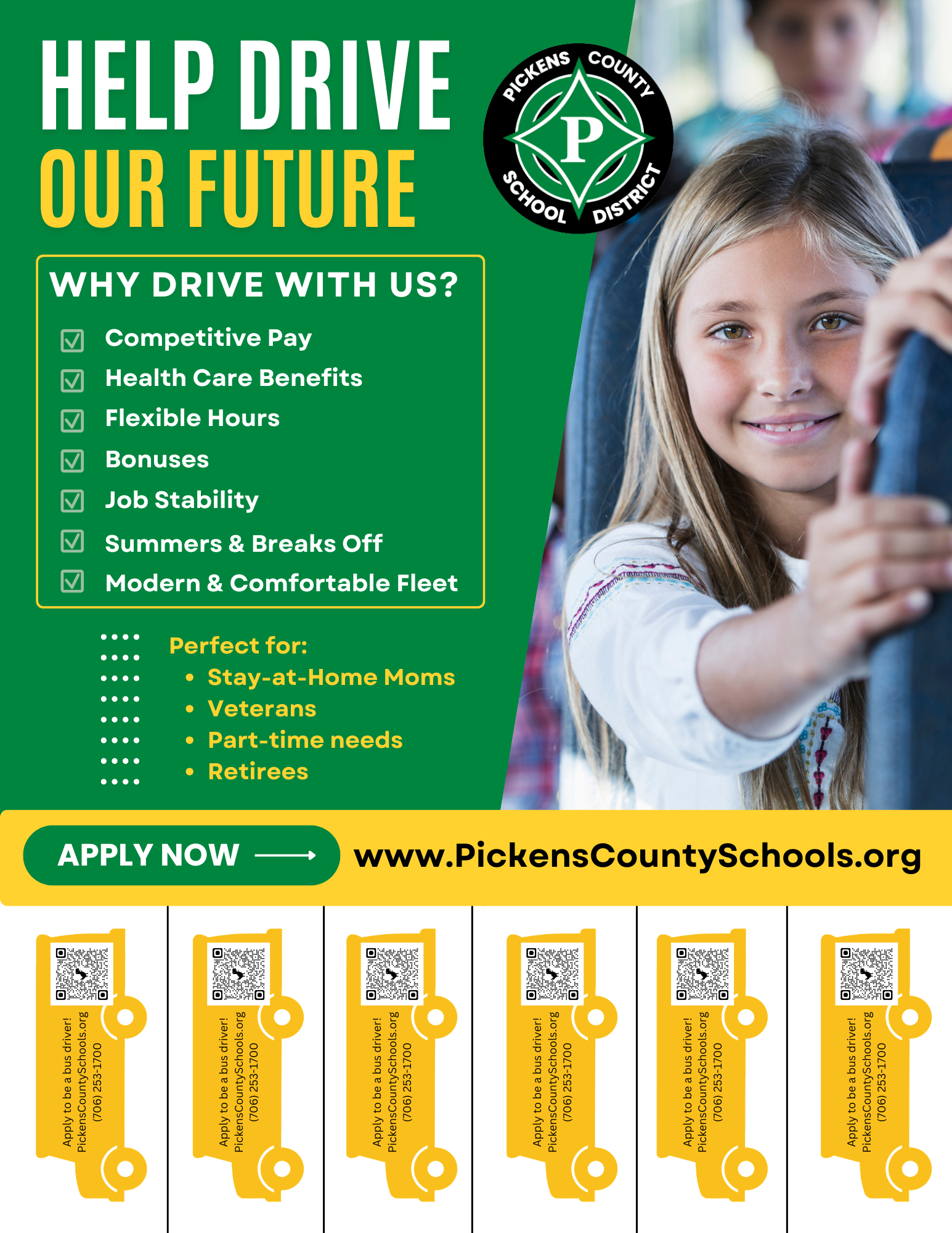
Created QR-code flyers, pull-tab ads, banners, and posters for schools, businesses, libraries, churches, and high-traffic community locations.
Social Media
Published branded recruitment graphics that combined eye-catching creative with specific benefits and direct calls to apply.
Internal Communications
Used SchoolMessenger and Google Mail to make staff aware of referral incentives, eligibility details, and easy sharing opportunities.
Storytelling Video
Developed a "Why I Drive" series to elevate real driver voices and reshape perceptions of the job through personal stories.
Community Partnerships
Equipped schools, PTOs, churches, veteran organizations, local businesses, and civic partners with ready-to-share materials.
Results
38%increase in applications, surpassing the 25% goal
100%staff awareness of the referral bonus, confirmed by survey
2,500+video views in the first three months of the "Why I Drive" series
Fully staffedwith bus drivers and substitutes, plus a waiting list
The campaign exceeded its application-growth goal and created a repeatable model for mission-driven recruitment: pair clear job benefits with authentic storytelling, then distribute through trusted internal and community channels.
Campaign Materials
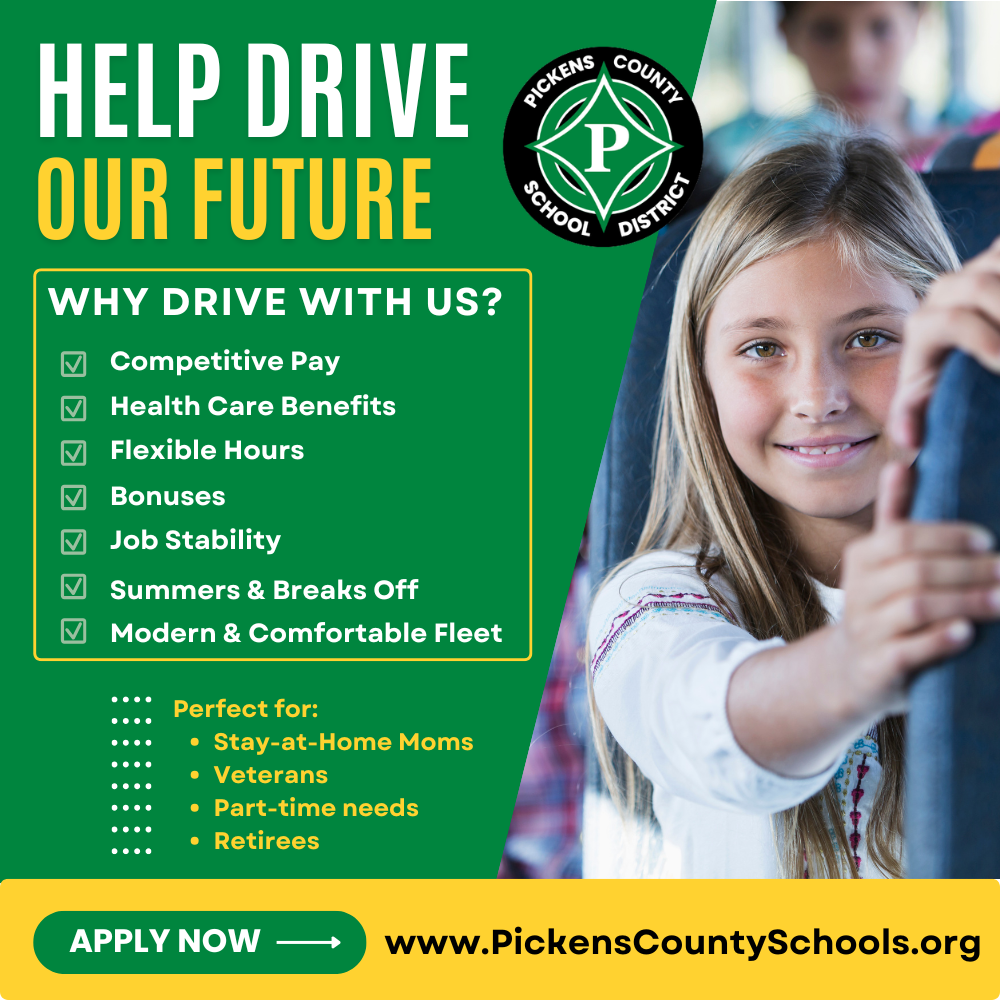
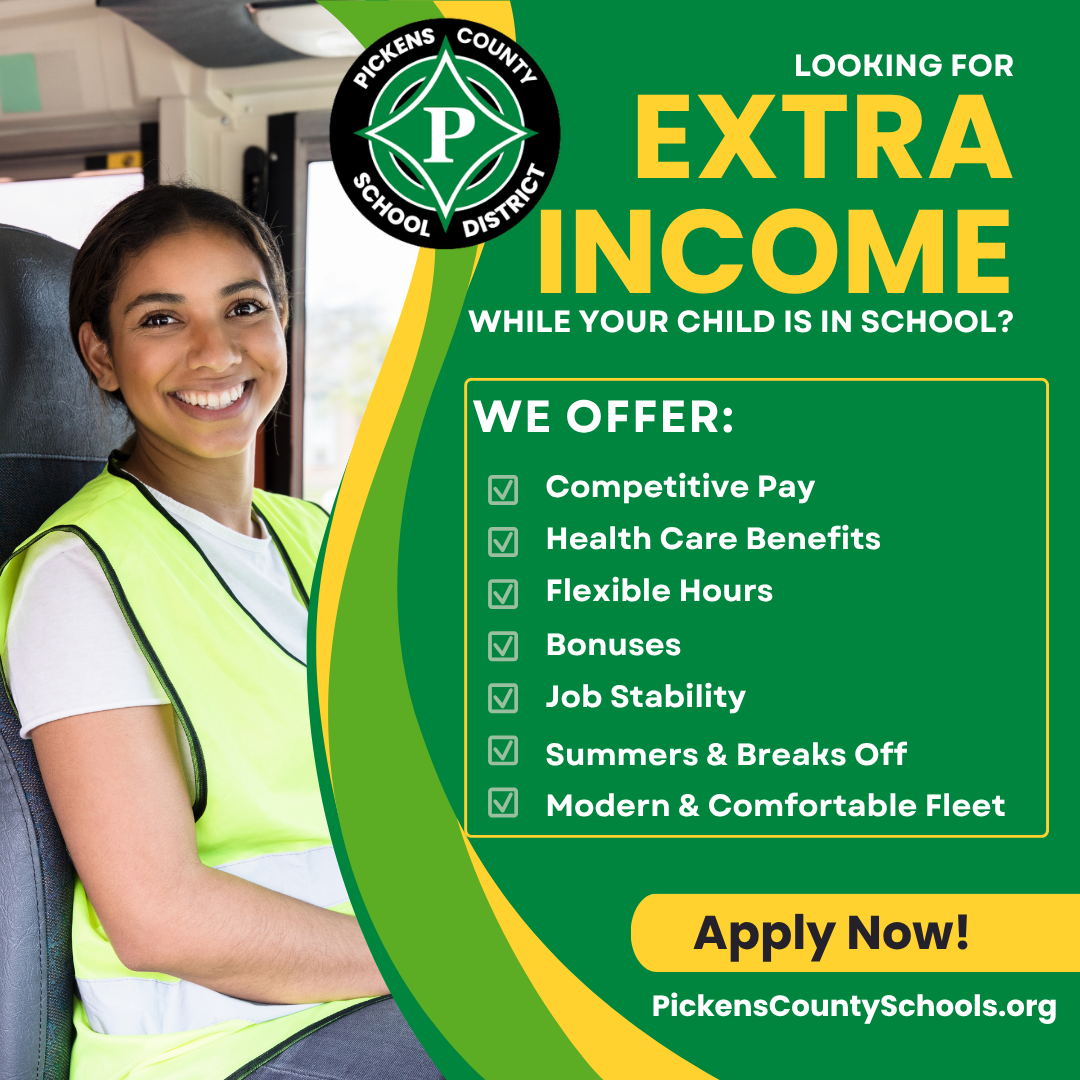
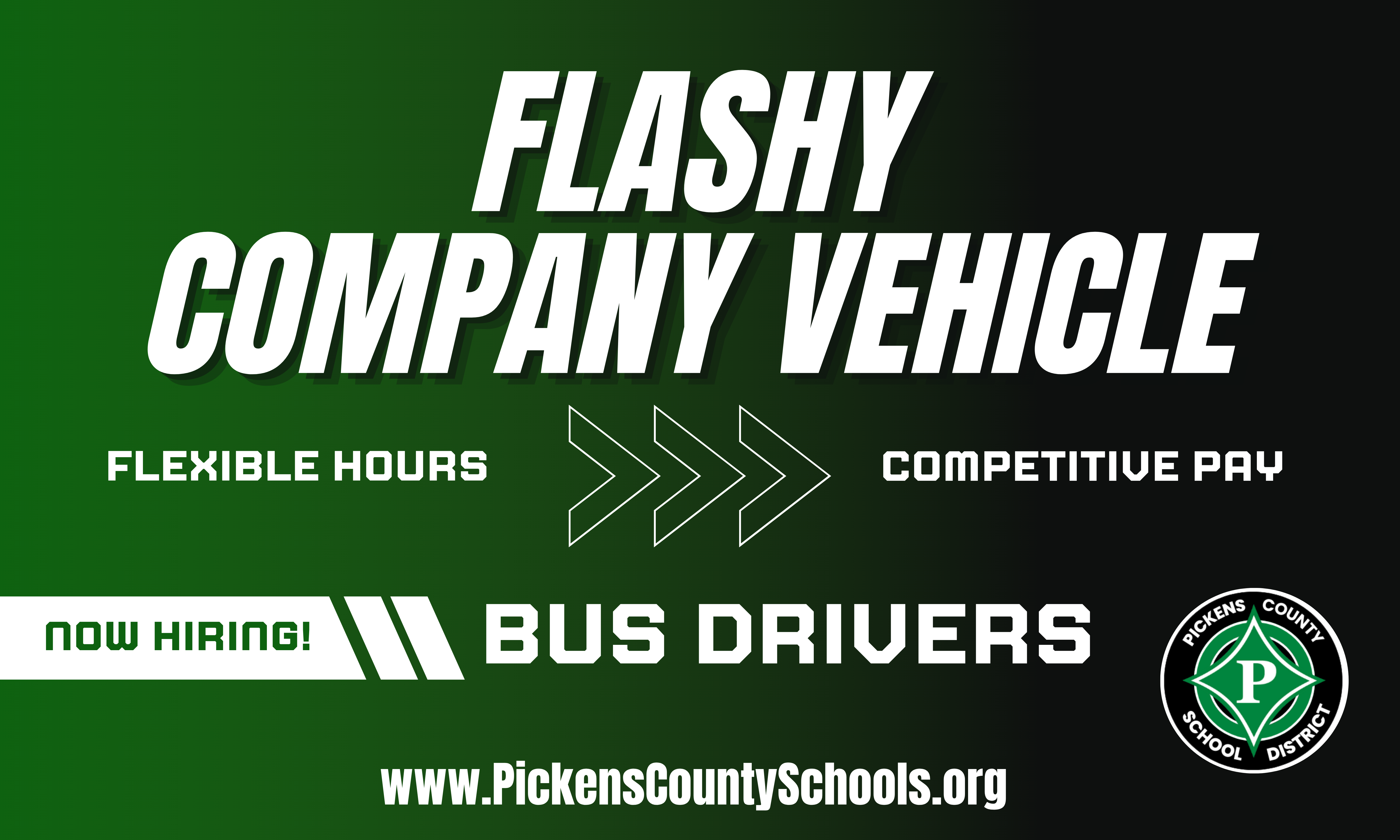
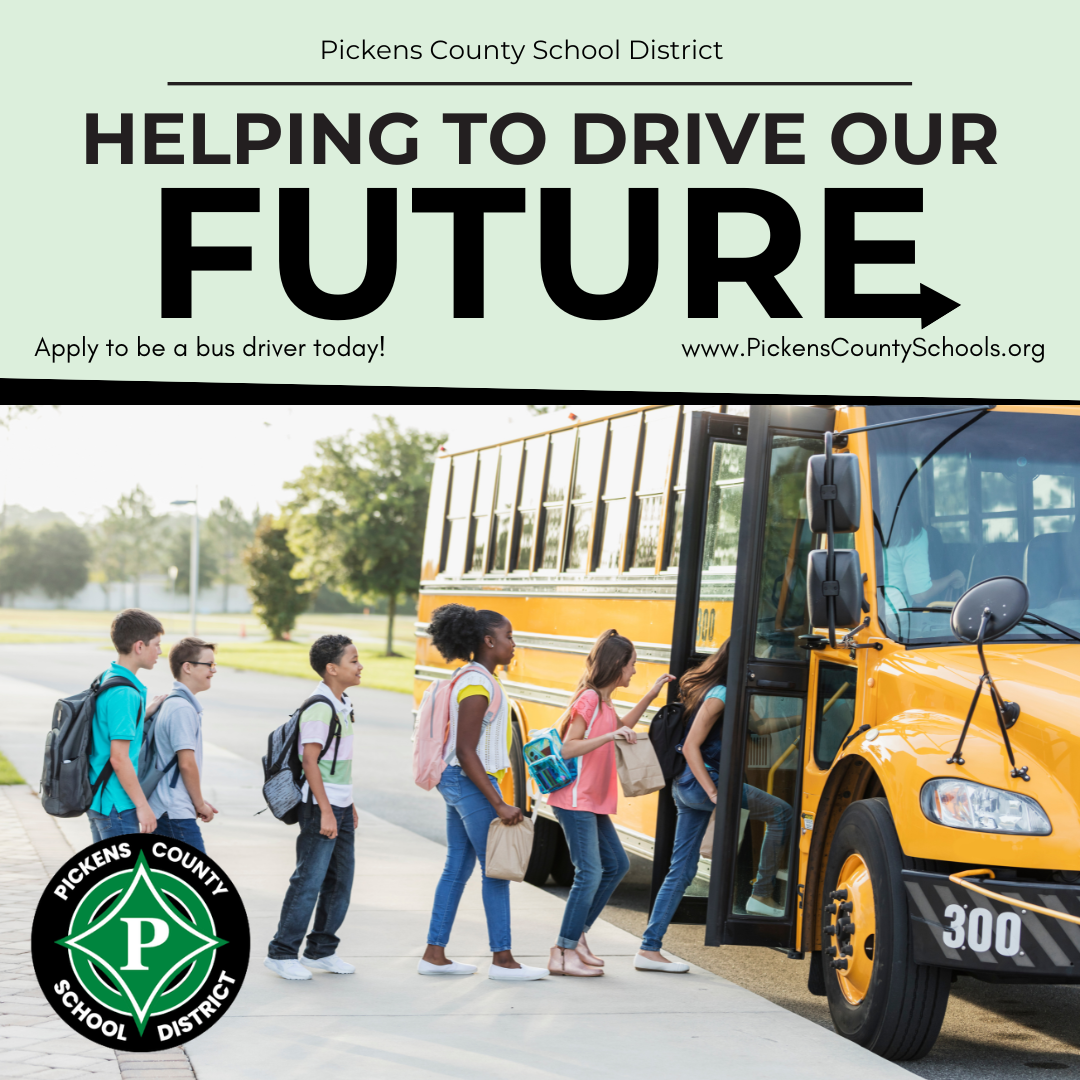
The creative system used bold school colors, direct benefit messaging, QR-code calls to action, and student-centered imagery to make the role feel visible, practical, and purpose-driven.
Benefit-focused social graphic for the Help Drive Our Future campaign.Audience-specific message aimed at parents and part-time job seekers.Bold banner creative built for high visibility and quick recall.Pull-tab print ad designed for coffee shops, libraries, churches, and local businesses.Student-centered creative connecting the job to student success.Direct hiring message with benefits, contact information, and campaign branding.
What This Demonstrates
This project shows how communications can help solve an operational problem by combining audience research, practical HR messaging, creative campaign development, internal communications, and community partnership strategy.
It also demonstrates the value of storytelling in recruitment: when potential applicants can see the human purpose behind the job, the message becomes more credible and easier to act on.