Confidentiality Note
Because the flipchart contains sensitive emergency guidance, this case study intentionally focuses on the communication strategy, content organization, and staff-readiness purpose rather than publishing operational procedures.
A confidential crisis-readiness communications project that organized critical staff guidance into a clear, accessible, award-winning reference tool.
Because the flipchart contains sensitive emergency guidance, this case study intentionally focuses on the communication strategy, content organization, and staff-readiness purpose rather than publishing operational procedures.
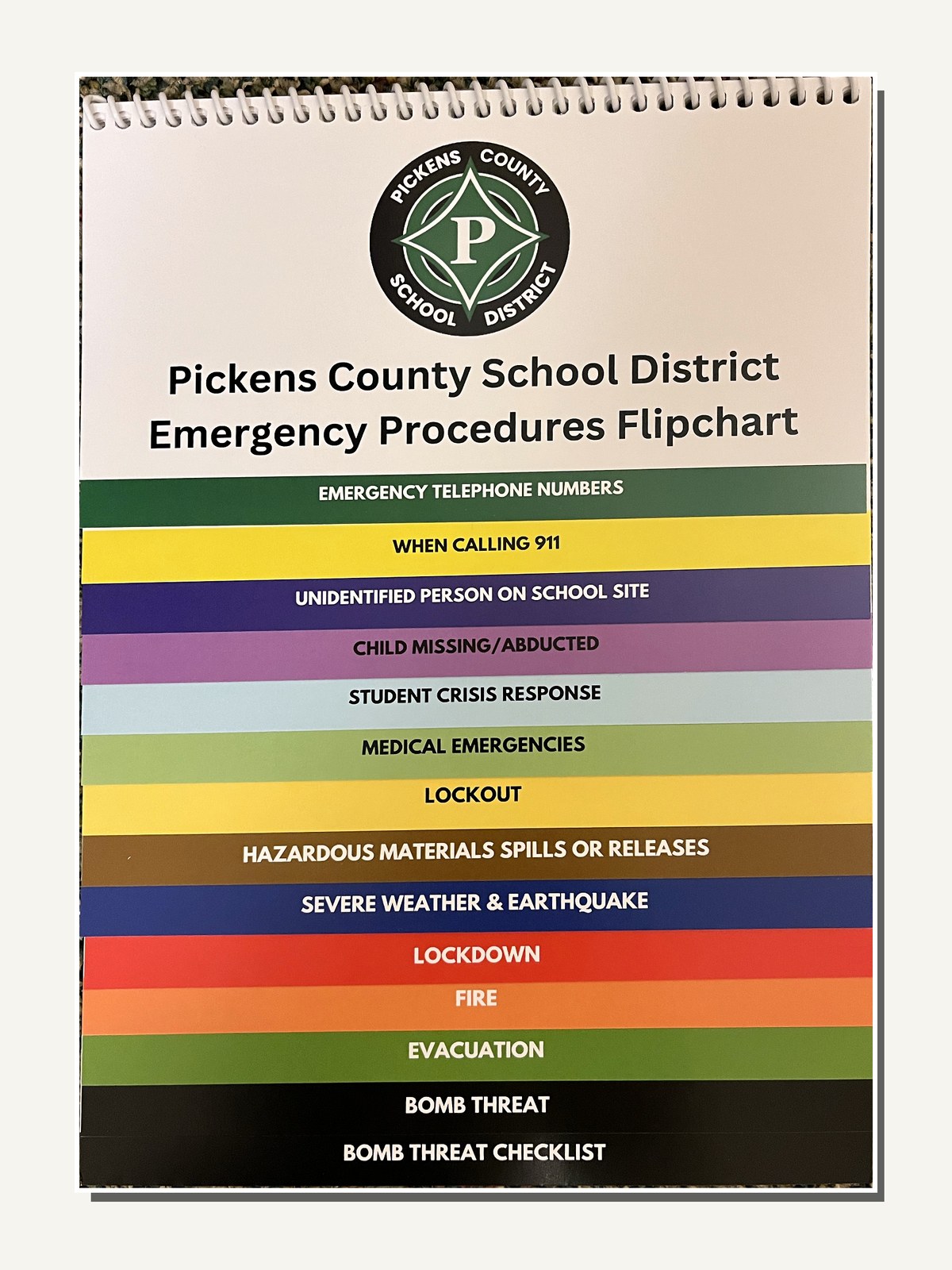
Staff needed a concise, reliable emergency reference that could be understood quickly during high-pressure moments. The flipchart translated complex safety-planning information into a staff-facing format designed for clarity, consistency, and practical use.
The communications challenge was to support calm, informed action without overwhelming staff or exposing details that should remain internal.
Emergency guidance must be accurate, easy to scan, and consistent across schools and departments. In stressful situations, staff need information that is organized logically, written plainly, and presented in a format that helps them find what matters quickly.
The project also required careful judgment about what could be made broadly visible and what needed to remain protected as internal safety information.
The strategy centered on making critical guidance easier to navigate while preserving the seriousness of the material. The work emphasized plain language, consistent hierarchy, strong section organization, and a calm, staff-centered tone.
The flipchart was developed as a practical internal communication tool, aligning staff guidance with broader preparedness practices. The format helped bridge the gap between emergency planning documents and the kind of clear, usable reference staff need in real-world conditions.
Converted procedural information into concise, staff-friendly guidance.
Used hierarchy and sectioning to support fast lookup and consistent use.
Connected safety planning, staff communication, and preparedness expectations.
Kept operational details protected while still documenting the communications value of the project.
The project earned a Georgia School Public Relations Association Gold Award and strengthened the connection between crisis-readiness planning and staff communications. It demonstrated how thoughtful content organization can make complex preparedness information more usable for the people who need it.
This project shows my ability to communicate in high-stakes environments where clarity, restraint, and judgment matter. It also reflects the discipline needed to present safety communications work publicly without exposing sensitive operational content.